Stage 01
Rescue & quarantine
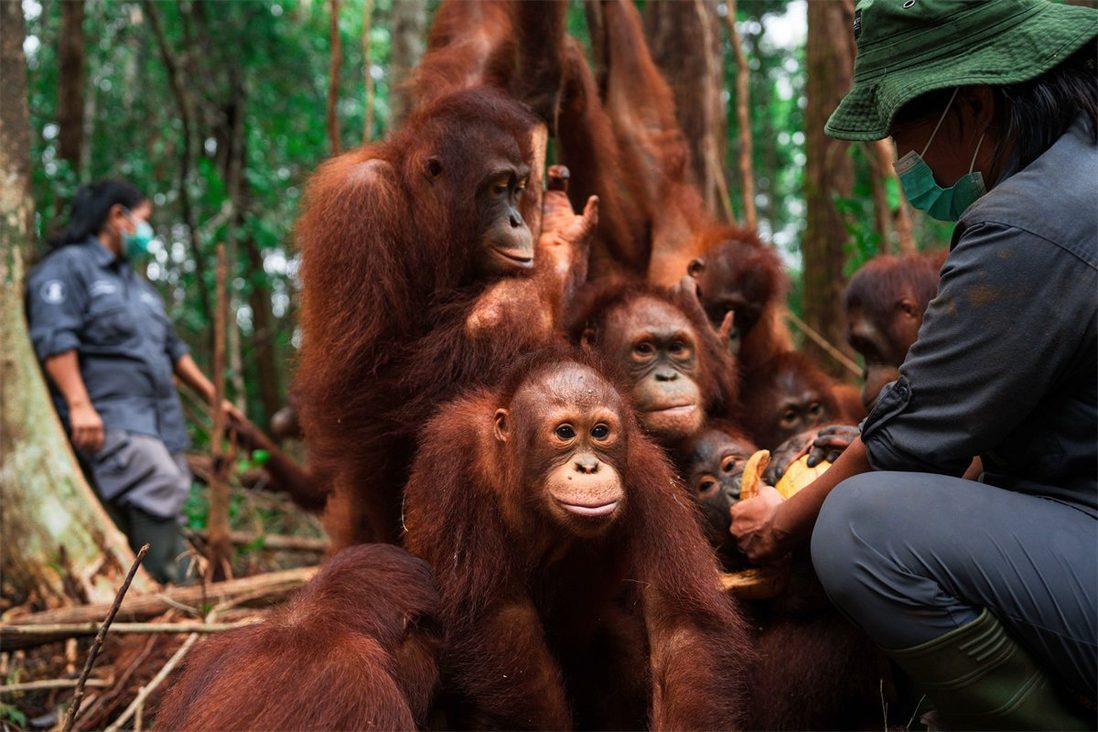
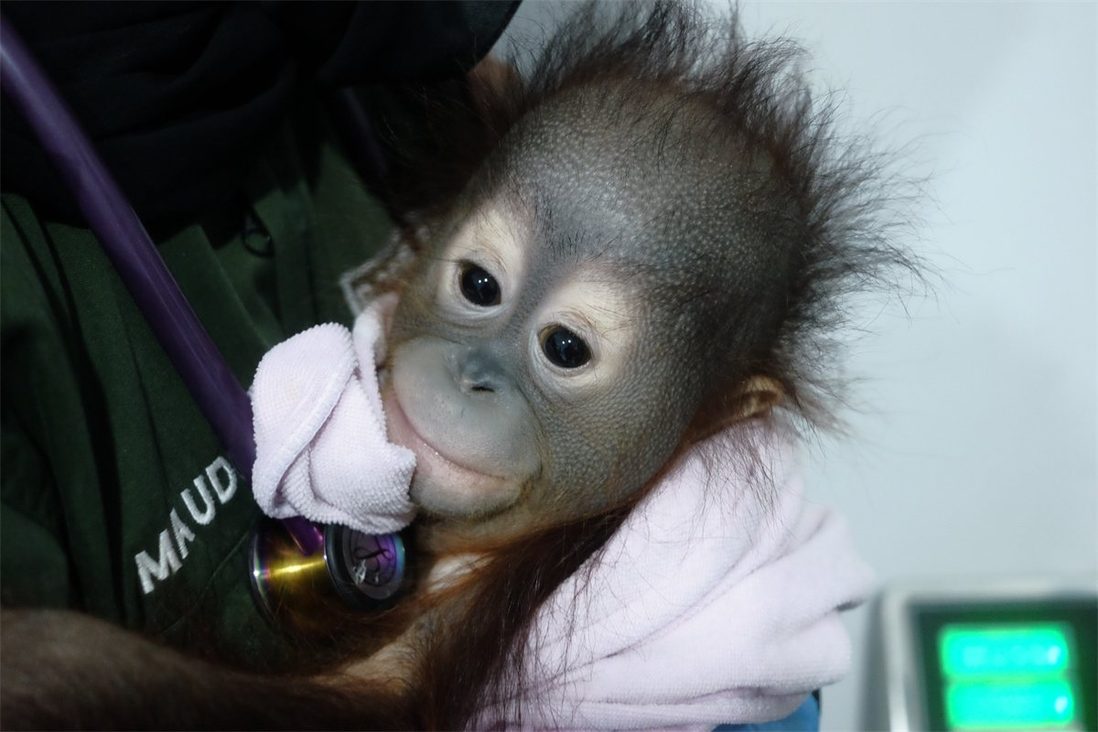
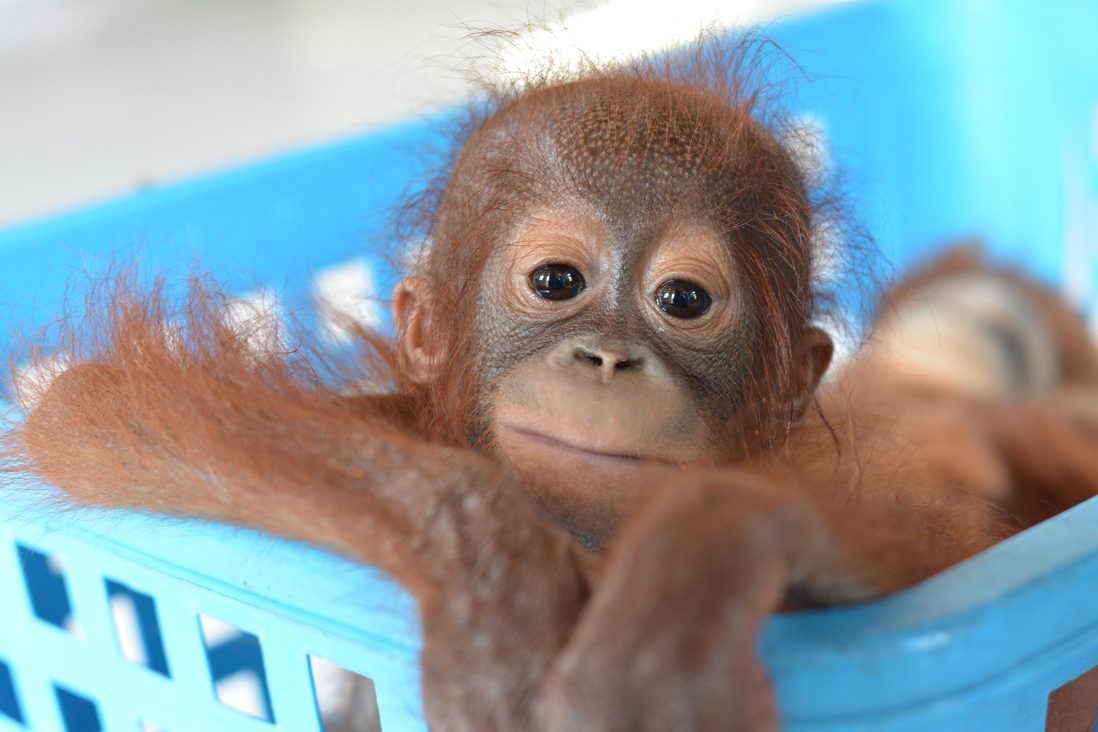
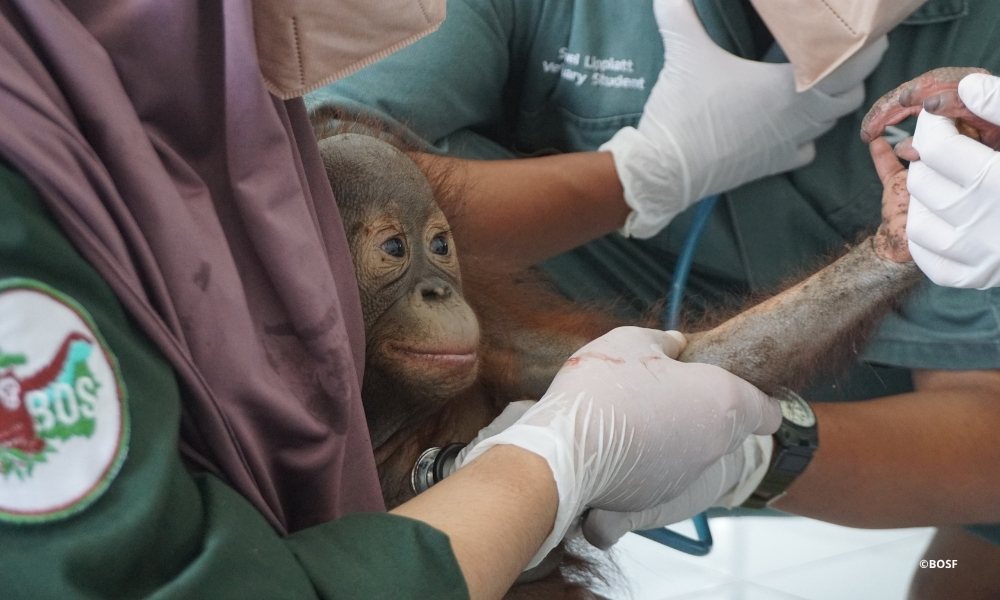
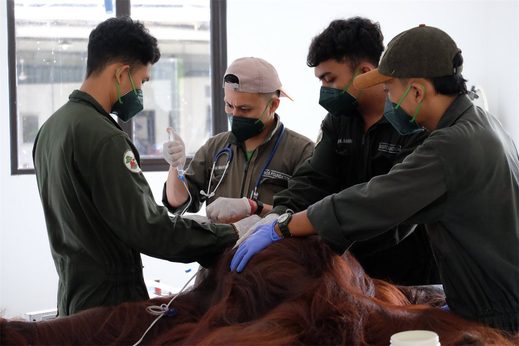
Confiscation from the pet trade or rescue from cleared forest, then medical triage and quarantine before any contact with other orangutans.
Nyaru Menteng · Samboja Lestari


 Forest School
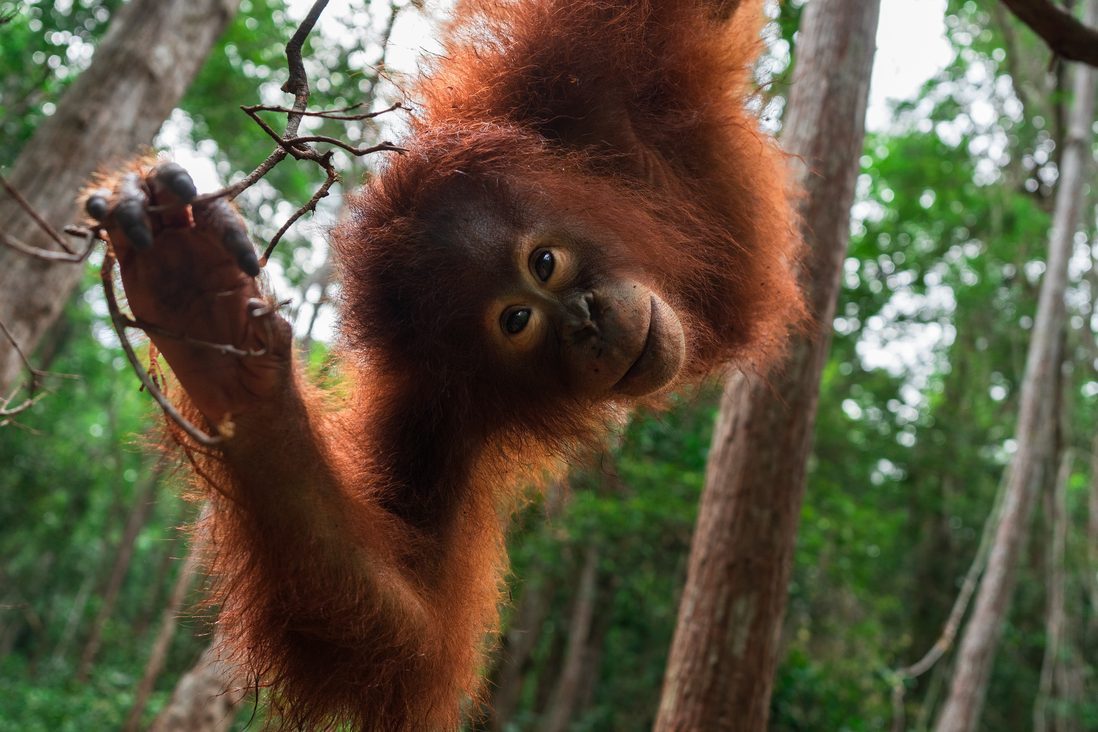
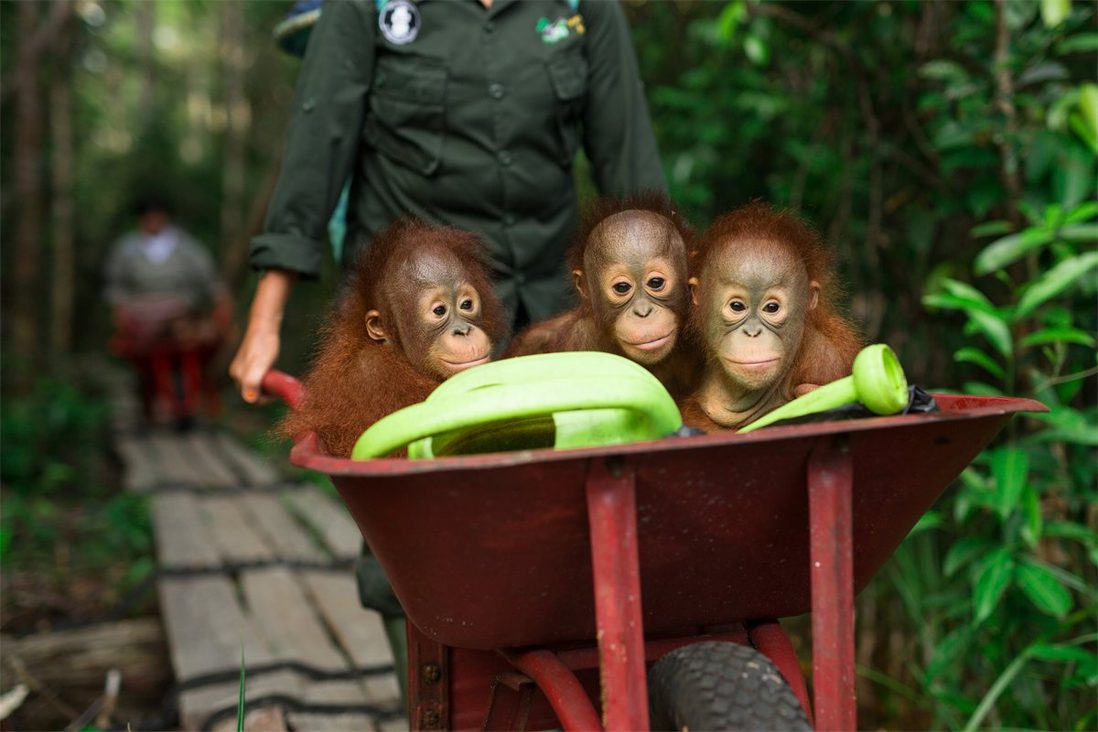
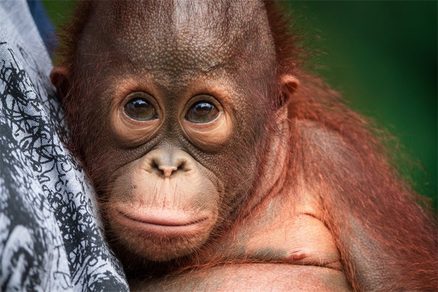
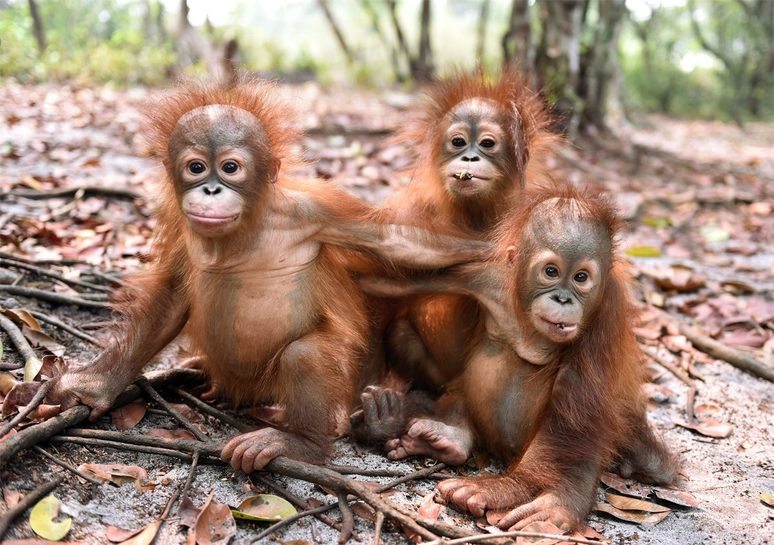
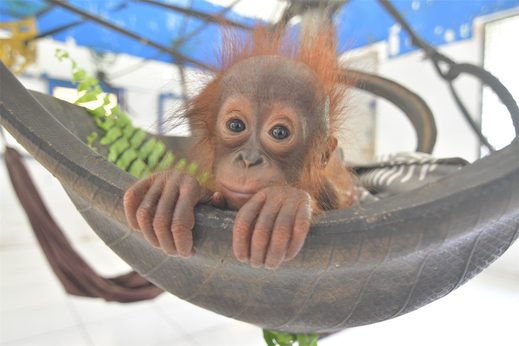
Rescued orphan learning how to climb, forage and build night nests in Borneo.
Adopt BeniCritically endangered
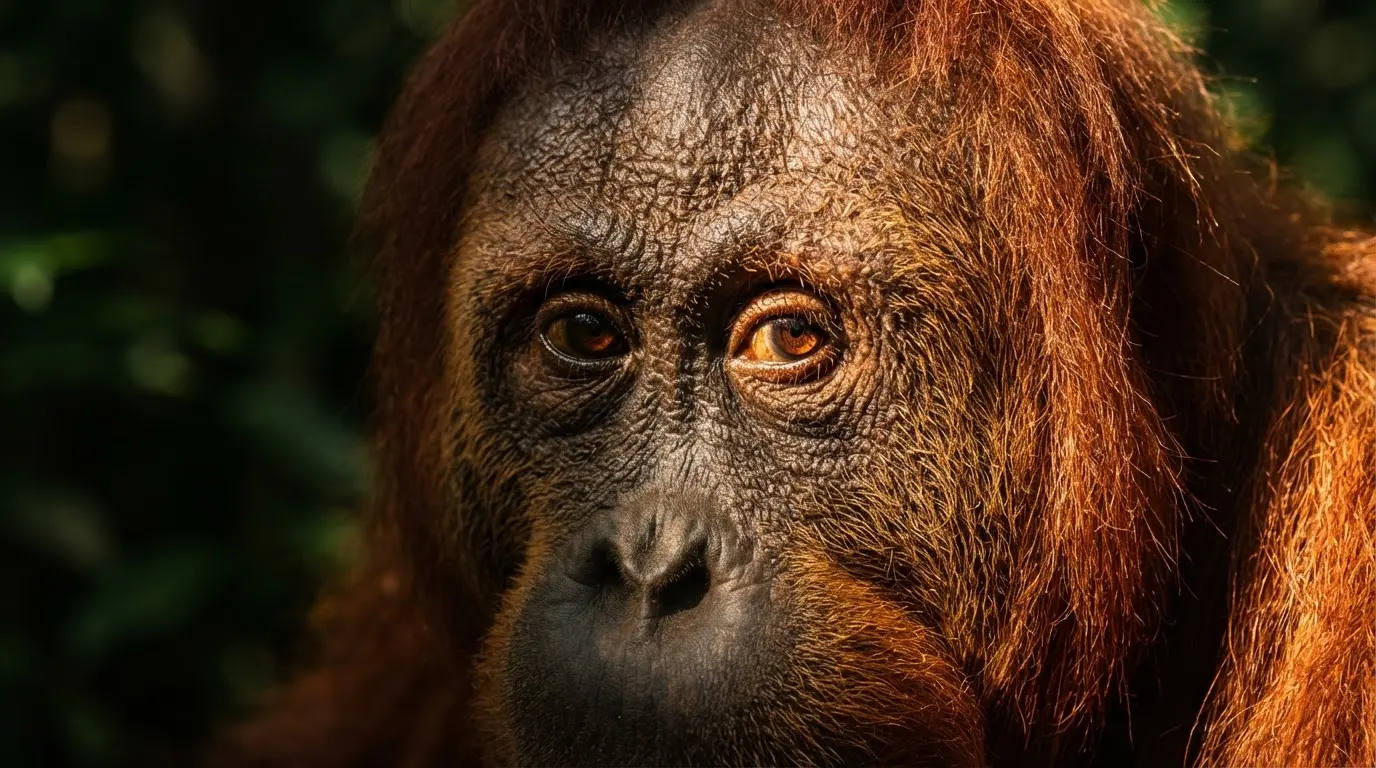
Orangutans are critically endangered and are the highest risk category before Extinct in the Wild.
Why us
Start the journey through the canopy.
What we do
Rescue and quarantine, then Forest School, then a river island unassisted, then the wild. Your support directly supports their rehabilitiation.
Stage 01
Confiscation from the pet trade or rescue from cleared forest, then medical triage and quarantine before any contact with other orangutans.
Nyaru Menteng · Samboja Lestari
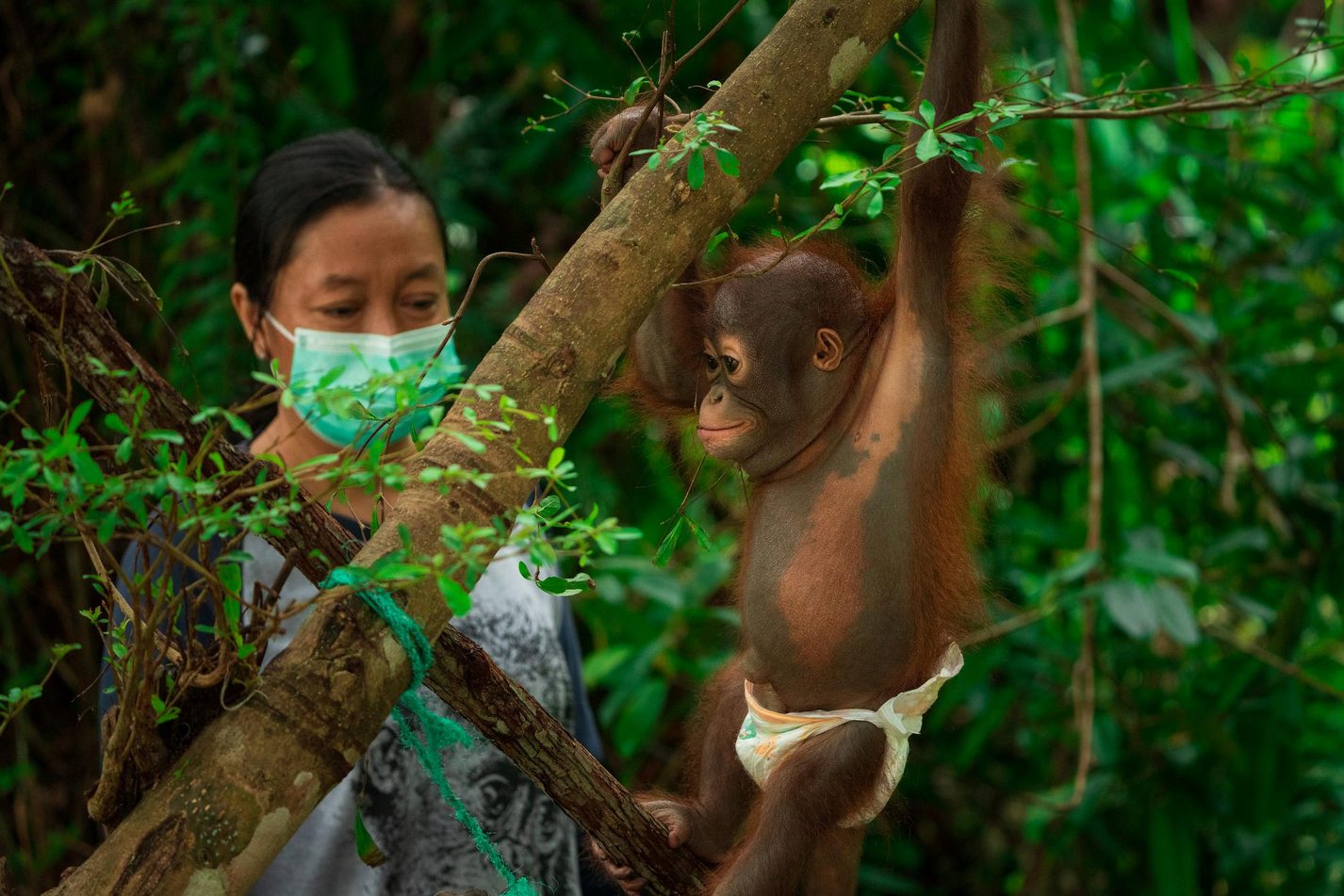
Stage 02
Years of daily lessons with surrogate nannies — climbing, nest-building, foraging and learning which of hundreds of forest foods are safe.
Five graded school stages
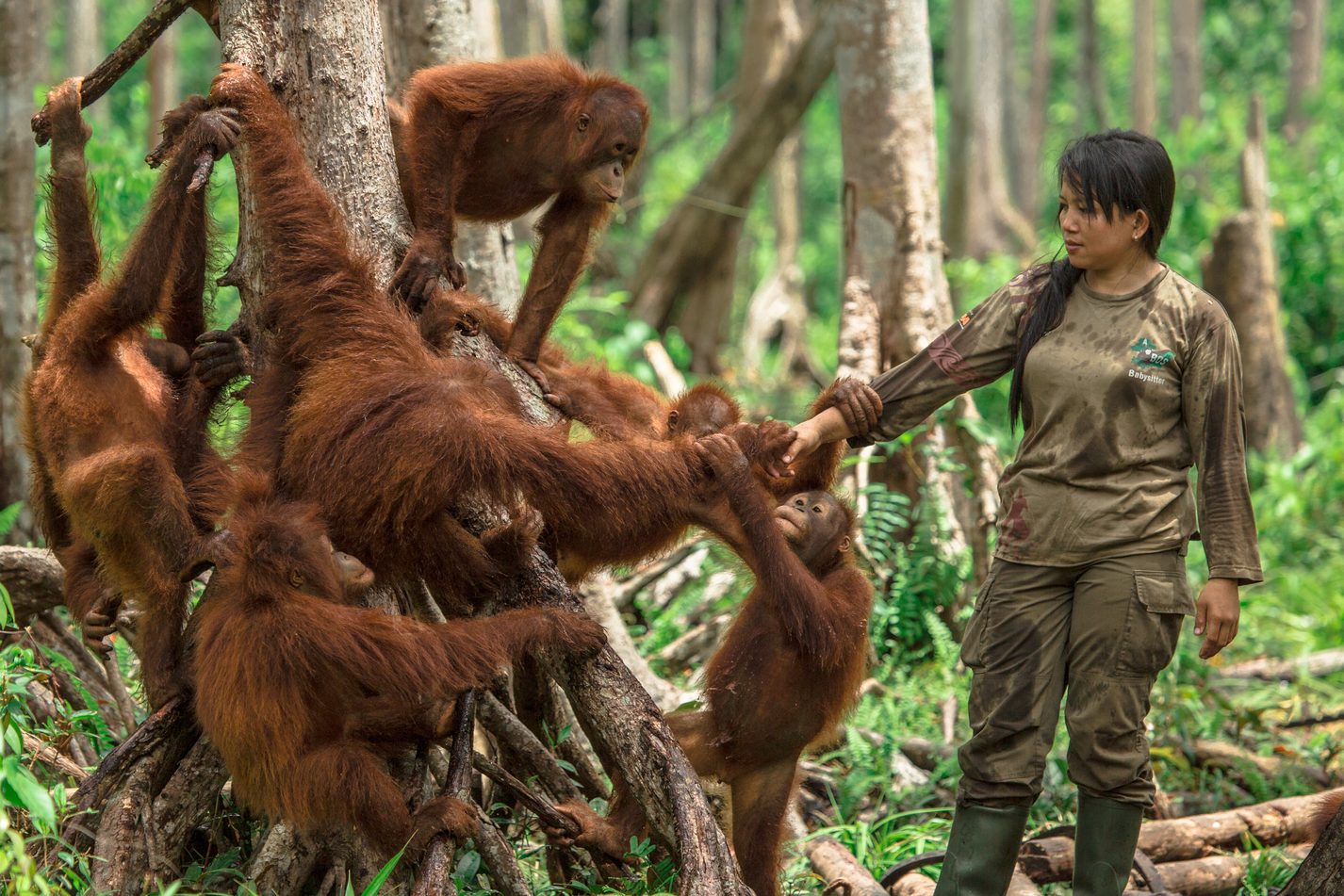
Stage 03
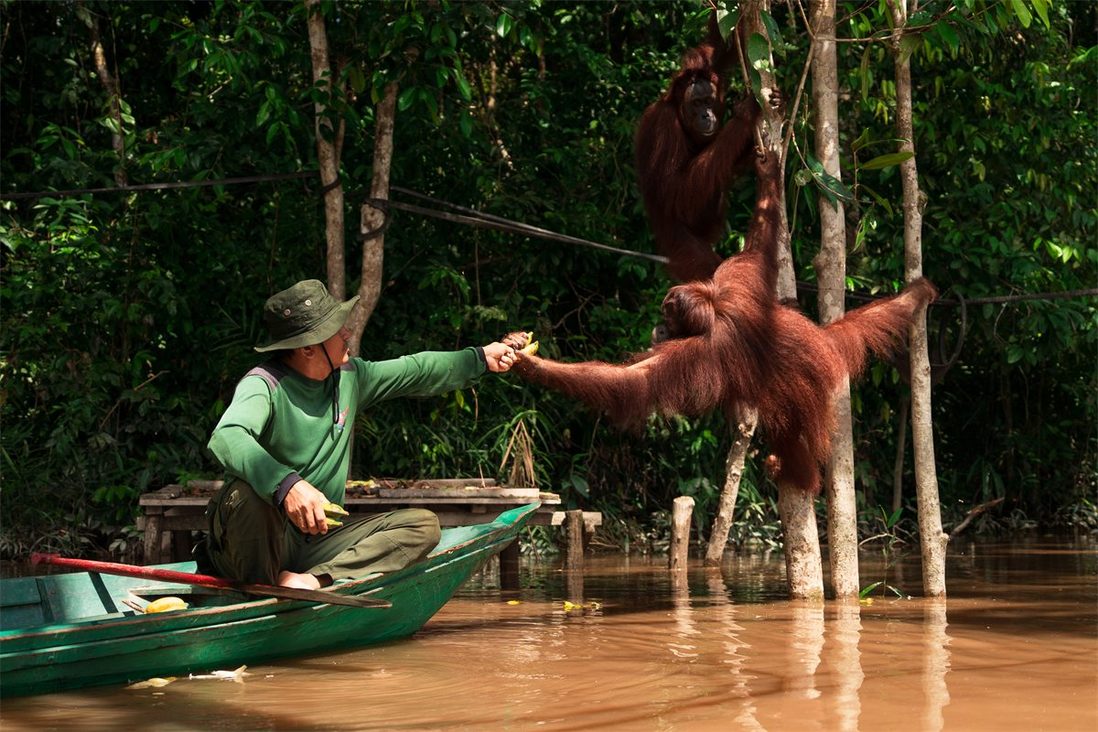
A final exam in semi-wild conditions. Candidates live unassisted on forested river islands while staff watch for genuine independence.
The Salat Island cluster
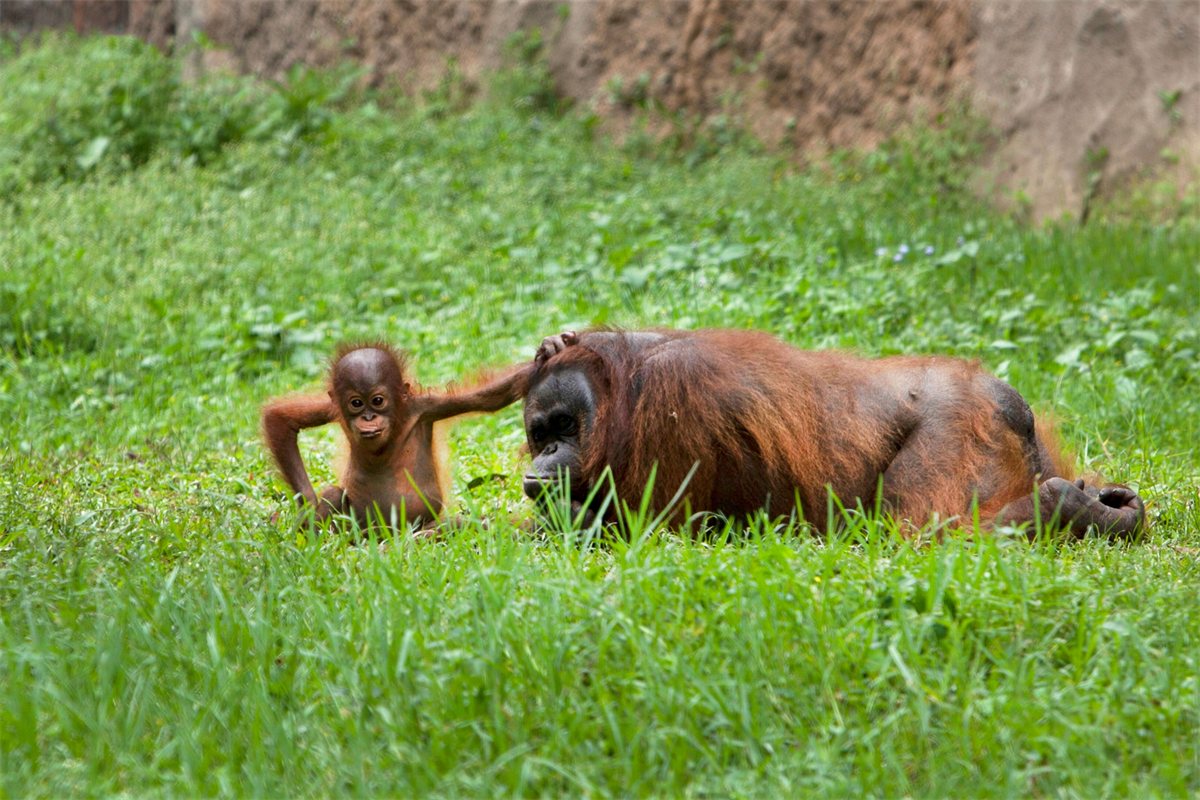
Stage 04
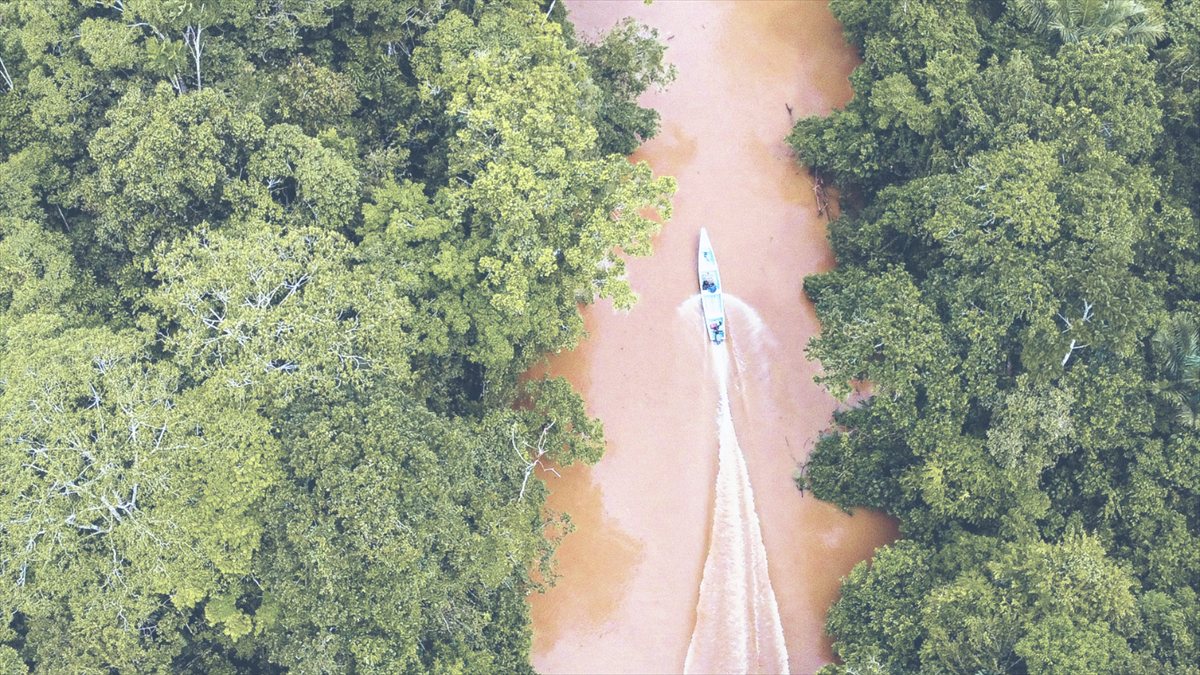
Transport by boat, road and helicopter into protected forest, followed by years of post-release monitoring to confirm they are thriving.
Kehje Sewen · Bukit Baka
Threats
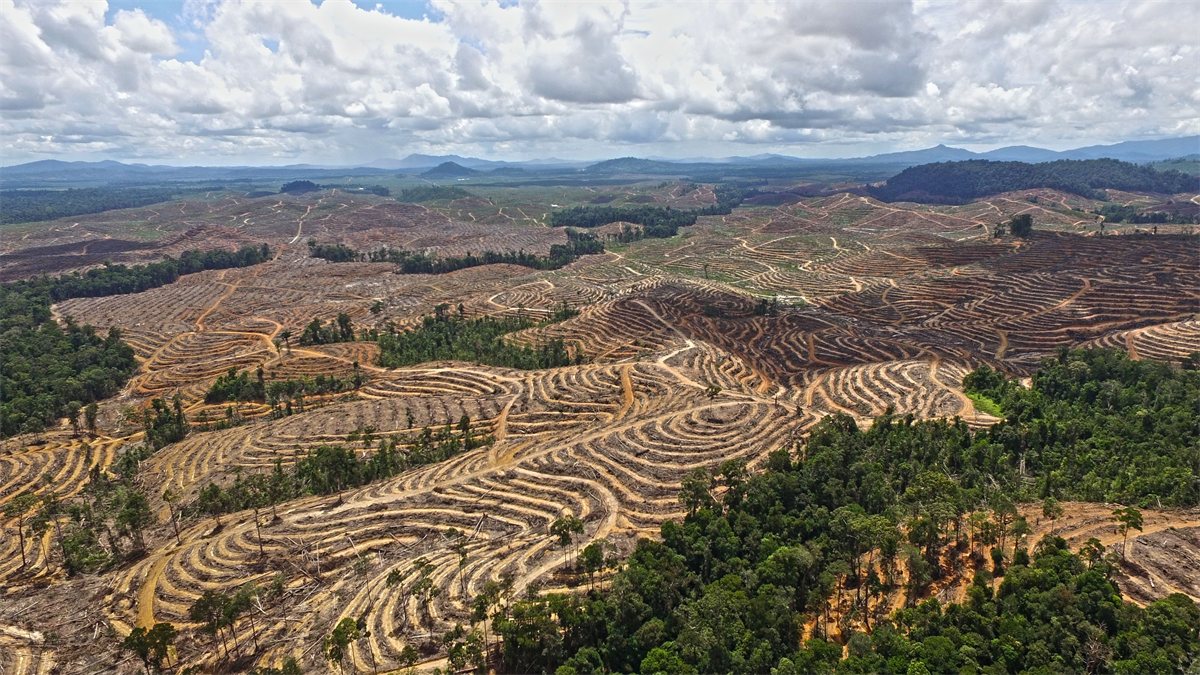
Fire, deforestation, palm oil plantations and the illegal pet trade are the major causes of the decline.
The wild population has fallen by more than 80% in fifty years, and every one of those losses traces back to something people chose to do.
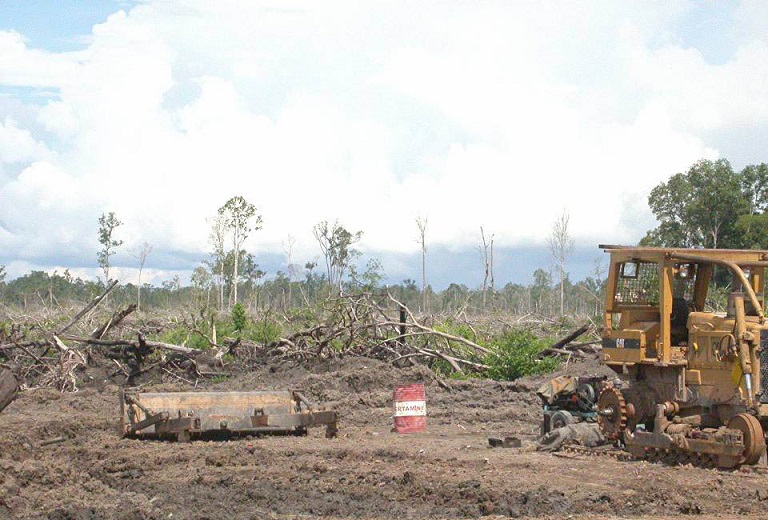
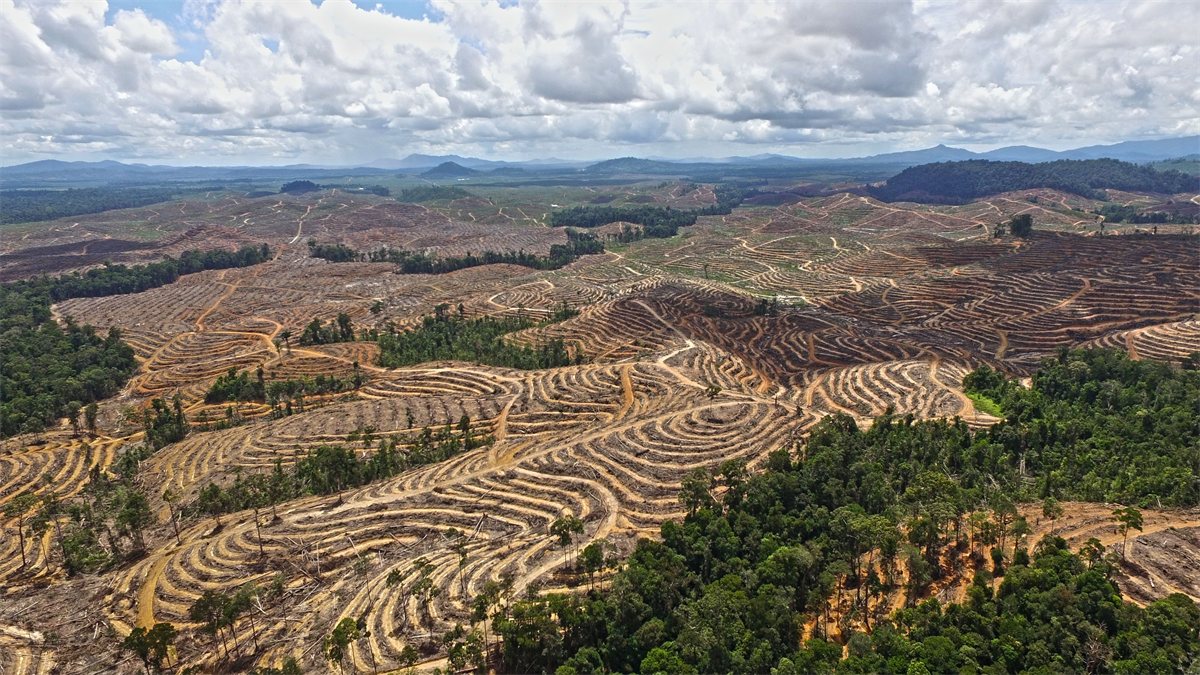
01 — Habitat
Logging and clearing fragment the canopy into islands too small to feed a population, stranding orangutans in isolated pockets of forest.
02 — Agriculture
Monoculture replaces mixed rainforest with rows of a single crop that supports almost none of the species that lived there.
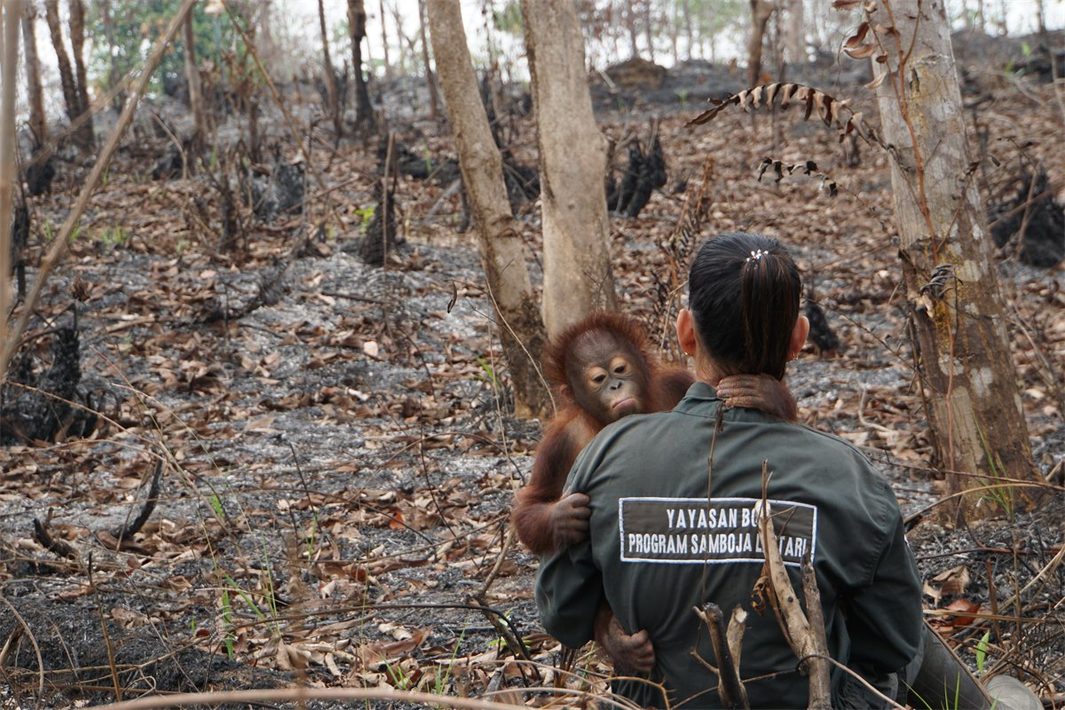
03 — Fire
Drained peat swamps burn underground for months, destroying habitat and releasing globally significant volumes of carbon.
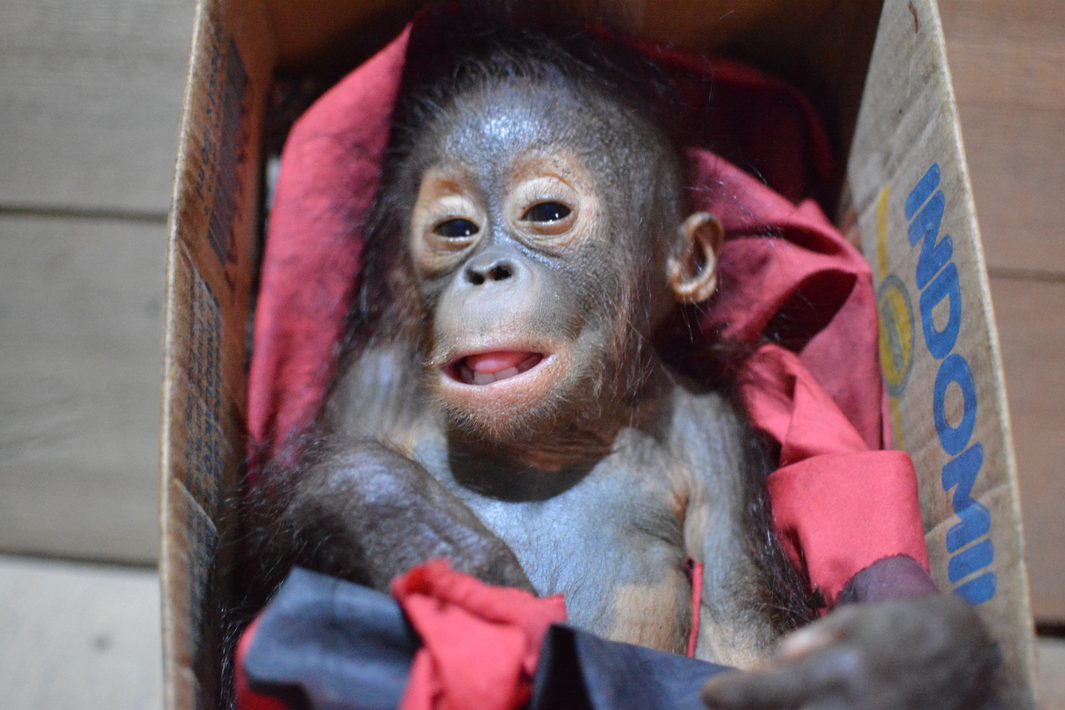
04 — Trade
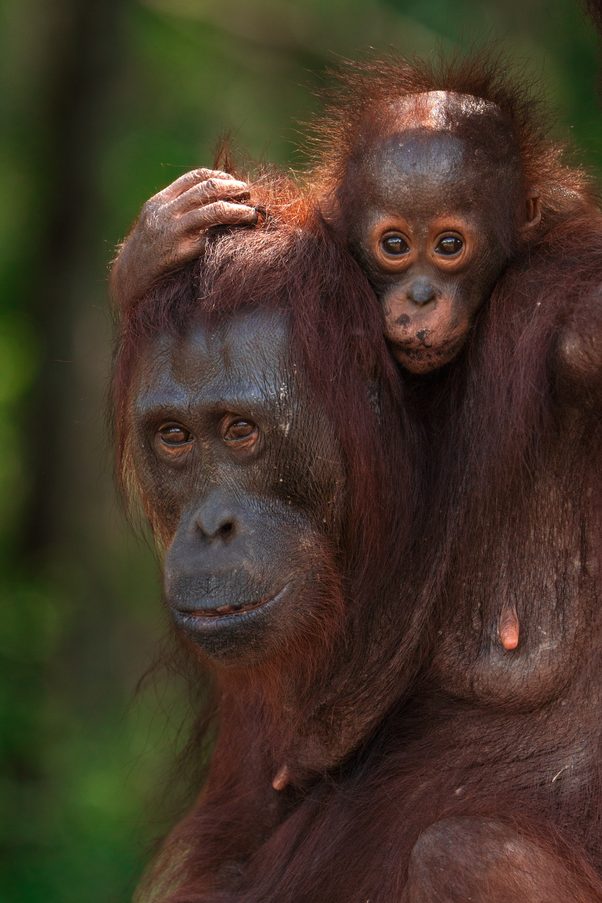
Infants are taken for the illegal pet trade — and because they cling to their mothers, an infant taken almost always means a mother killed.
Impact
1,200+ orangutans rescued. 556 released back to the wild. 460,000+ hectares of Kalimantan, Borneo protected.
Every number here is an orangutan that had a name, a nanny and a release date.

1,200+
From the pet trade and from forest being cleared.

556
Returned to protected forest.

340+
Living across two sanctuaries in Kalimantan.

70+
Rescued alongside orangutans, at Samboja Lestari.

470+
Nannies, vets, technicians and rangers on the ground.

2001
Two decades of Australian supporters behind them.
Donate
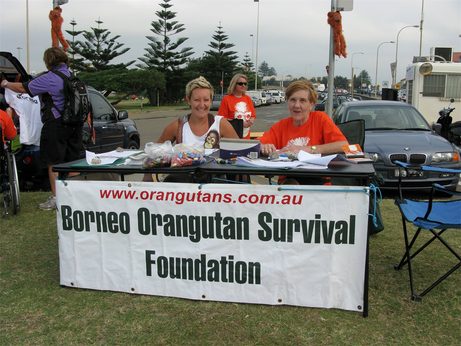
BOS Australia is run by volunteers, and we fund exactly what the sanctuaries and their staff need.
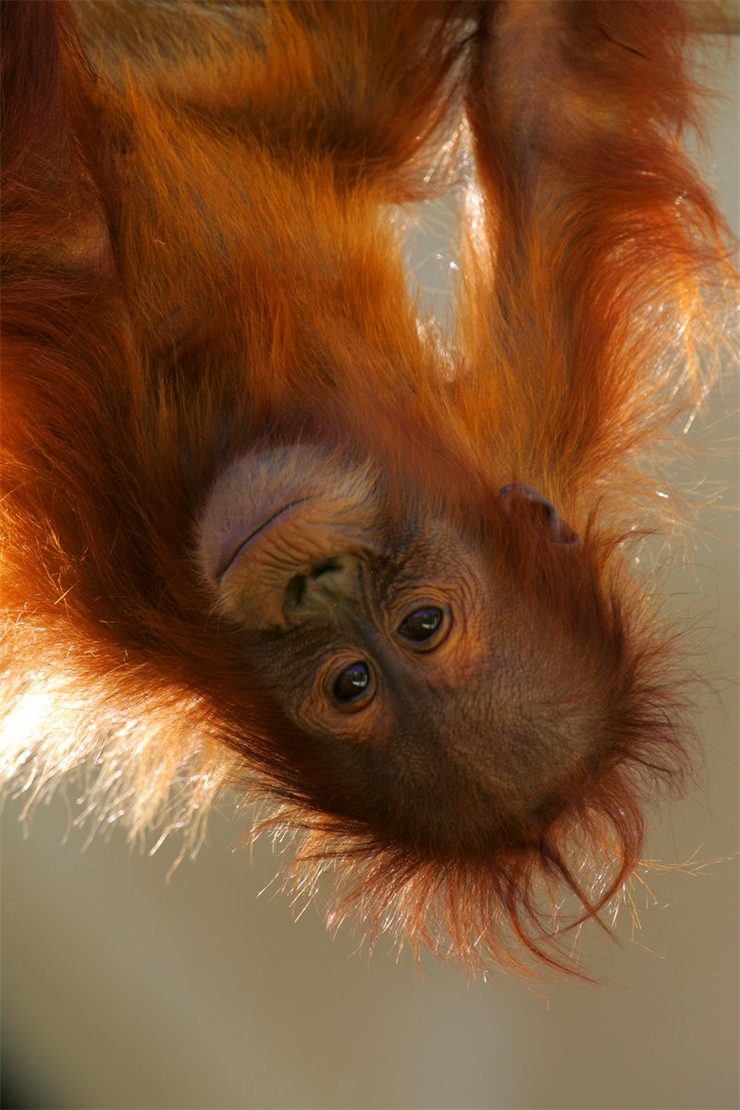
Donate nowBOS Australia is run by volunteers. Donations over $2 are tax deductible in Australia, and we fund exactly what the sanctuaries & staff need to care for the orangutans.
 $35Feeds an orangutan for two months
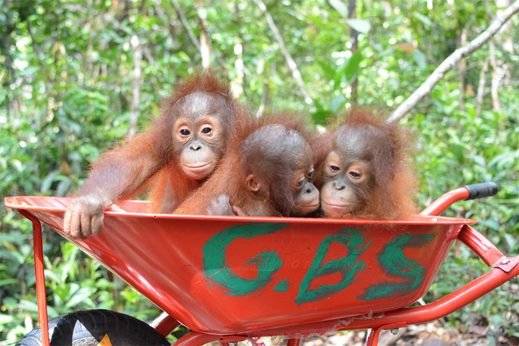
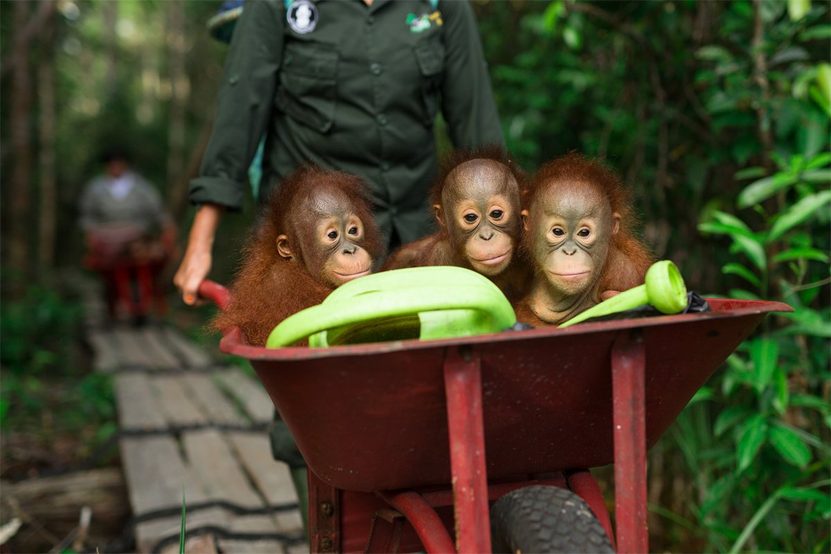 $90A wheelbarrow for a sanctuary team
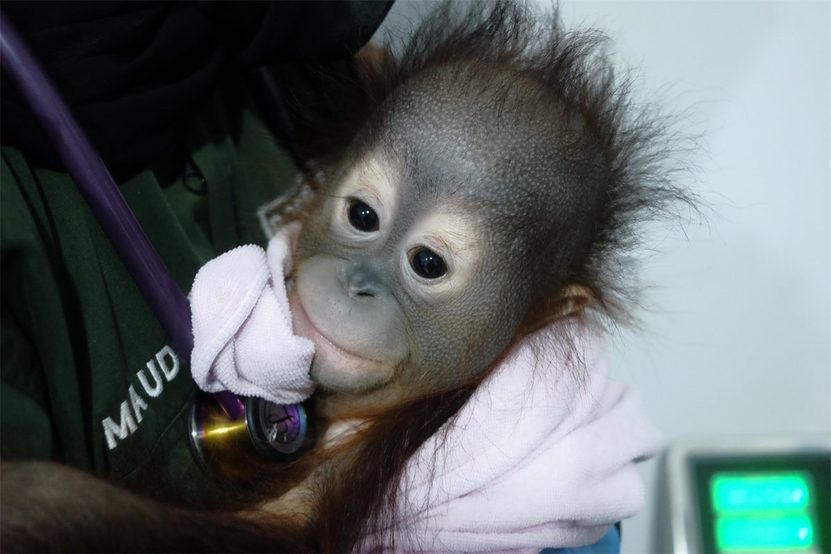 $250Veterinary care for a new arrival
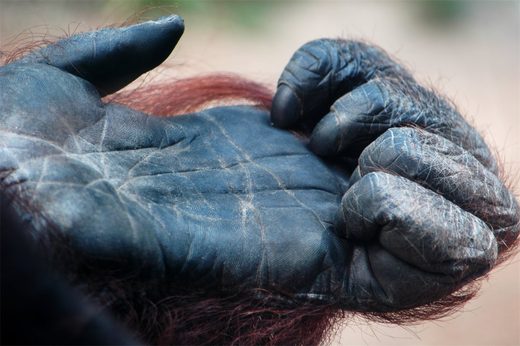 Donate
 Adopt an orangutan
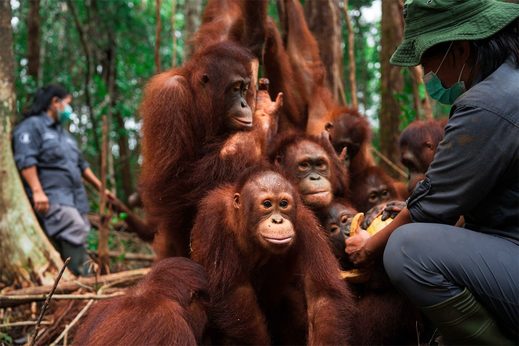 Fundraise
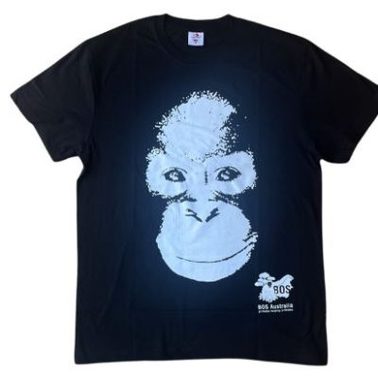 Shop for a gift
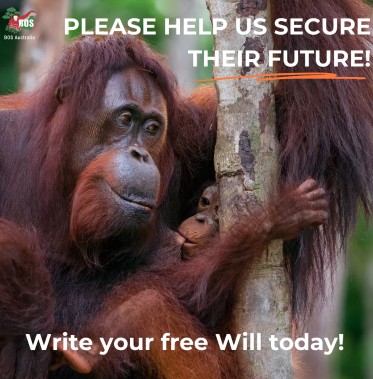 Leave a gift in your will
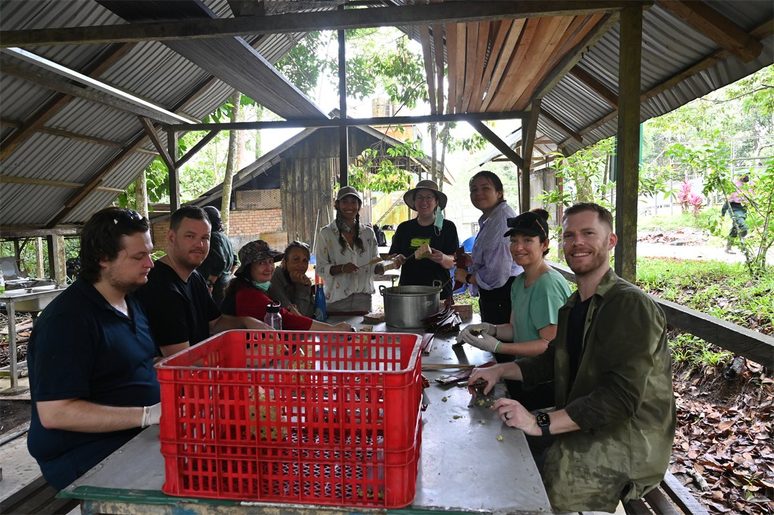 Volunteer
 Become a member
 Trek for orangutans
 Workplace giving
 Gifts in kind
 Orang-U-Friends school program
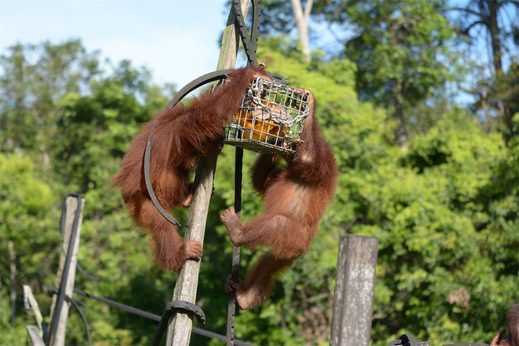 Recycle & donate your refunds
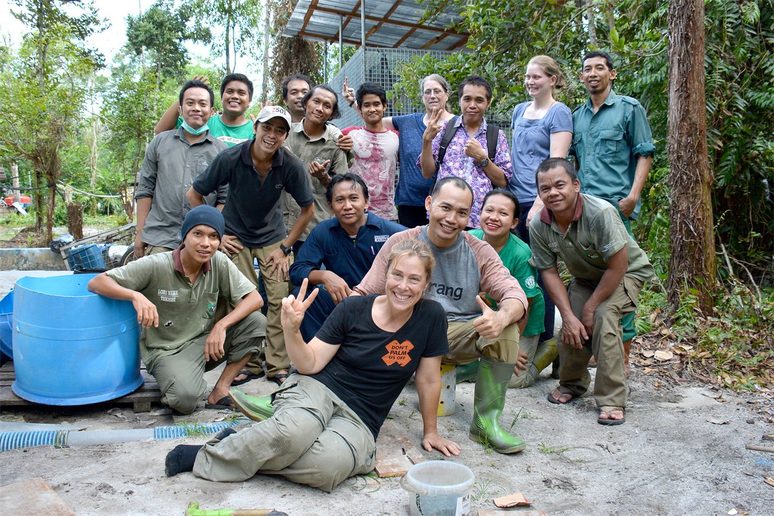 Partner with us
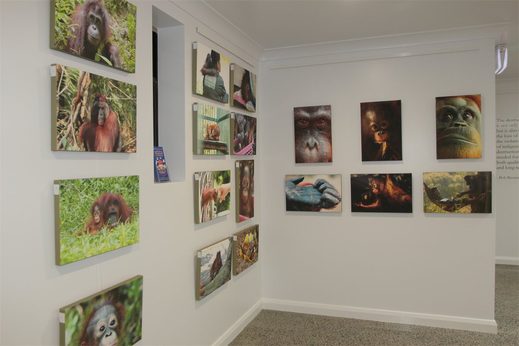 Orangutan art & conservation retreat
Where we work
Two sanctuaries, two release forests and a cluster of pre-release islands, across more than 460,000 hectares of Kalimantan, Borneo.
Choose a site to see what happens there.